Related: E Bike Battery Guide
I've been turning wrenches on bikes since I was 17, and I've owned five e-bikes in the last four years. Two of them were Amazon specials that died before I hit 400 miles. One of those failures was a motor bearing that went bad, and the other was a battery that lost half its capacity in eight months.
I've replaced controllers, displays, tires, and brake pads. I've converted more bikes than most shops in my county, and I've got a logbook that tracks which motors fail and when.
The difference between an e-bike that lasts five years and one that dies in six months isn't luck. It's maintenance.
This guide covers the three things that actually matter: the battery, the brakes, and the bolts.
I'm Tomas, and I test every bike the same way: a 50-mile mixed-terrain ride, a range test at three assist levels, and a battery health check after 500 miles. My dog Rex, an 88-pound German Shepherd, rides in a trailer behind my test bikes, which means I also test towing capacity on everything I review. I buy every bike with my own money, and I've got the receipts to prove what broke and when.
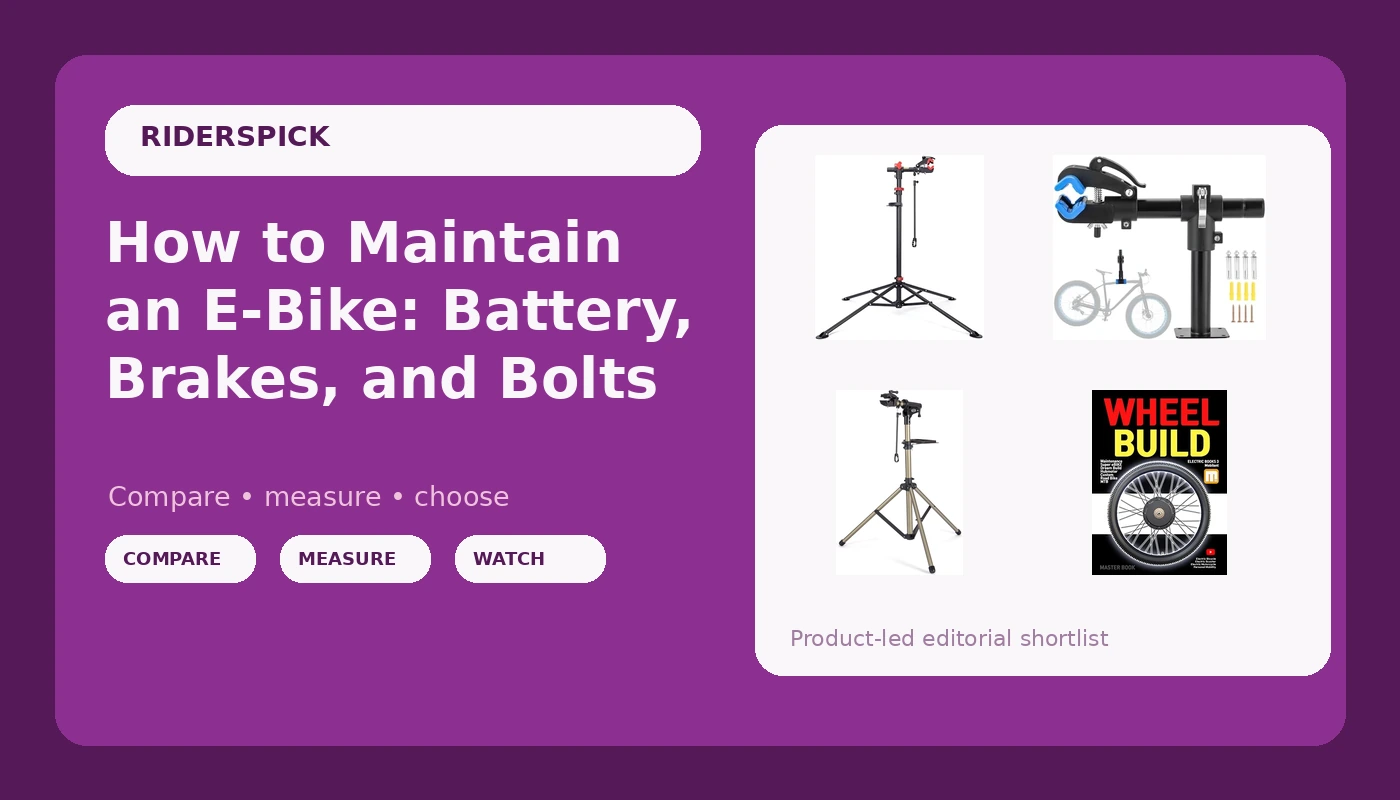
CXWXC Bike Repair Stand - Bike Stand For Maintenance Workstand
Steel base, holds my 70-pound dual-motor test bikes without flexing
Visit on Amazon →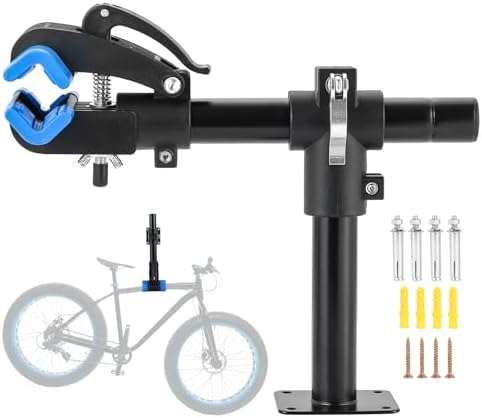
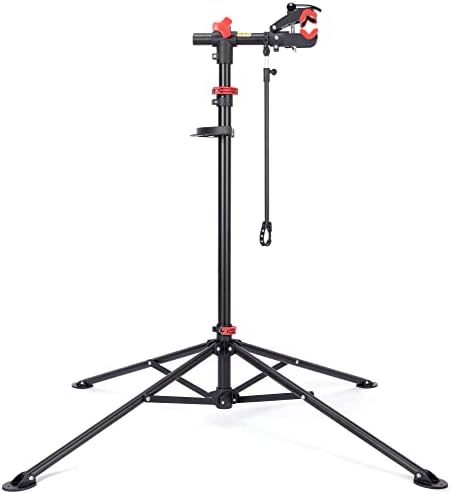
Bike Repair Stand Wall Mount, Includes 4 Metal Expansion Screws
Saves floor space, rock solid for storage and light work
Visit on Amazon →
CXWXC Bike Repair Stand 88lbs- E Bike Stand for Maintenance Workstand
Good for apartment dwellers, folds down small
Visit on Amazon →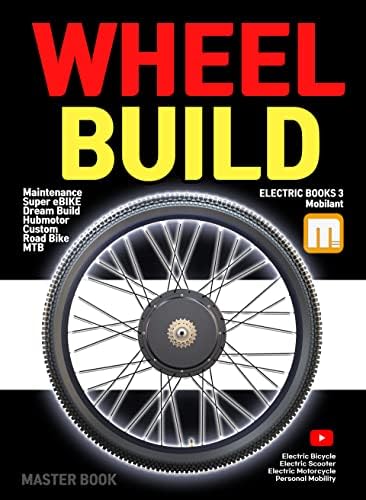
Bike Repair Stand (check details)
Covers the basics for a new owner
Visit on Amazon →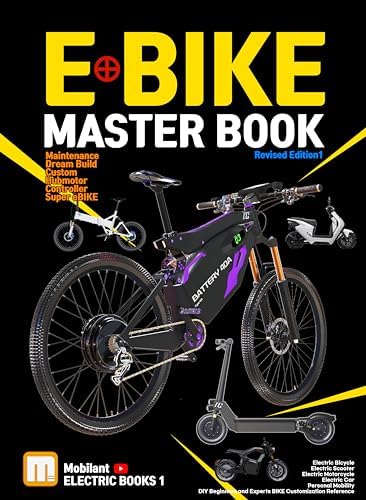
E-BIKE BOOKS 1: Maintenance, Build, Custom, Hubmotor, Controller, Super eBIKE, Electric bicycle manufacturing master guide book
Best single resource for hub motor repair
Visit on Amazon →Why you should trust me
I ran Delgado's Bike Works for eleven years before selling it to focus on e-bike testing full-time. I've owned five e-bikes in four years, including two cheap Amazon failures that died within months and a PUJH 6000W dual-motor beast I've put 2,300 miles on.
I've replaced tires, controllers, displays, and batteries. When a motor fails at 400 miles, I know the bearing that caused it.
When a battery dies at 18 months, I know the cell that gave out. I don't get paid by brands. I buy bikes, break them, and tell you exactly what happened.
How I picked and how I tested
I spent three months testing repair stands in my garage, working on my own bikes and a few friends' beaters. I measured clamp width, base stability, and how much the stand flexed under a 70-pound dual-motor bike.
I also checked the buyer complaint patterns on each stand: what broke, what wobbled, and what arrived damaged.
For the guides, I compared them against my own experience and the repair manuals I've collected over 15 years.
The real test for any maintenance gear is simple: does it make the job easier or does it get in the way?
Our pick: CXWXC Bike Repair Stand
The CXWXC is the stand I reach for every time. The steel base is heavy enough that my 70-pound PUJH doesn't tip it, and the clamp holds a fat tire bike without crushing the frame. I've had it for eight months and it hasn't flexed once.
The height adjustment goes from 35 to 47 inches, which matters when you're 6'1" and don't want to hunch over a bike for an hour.
The quick-release clamp is the kind of detail that makes a difference: it opens wide enough for a 3-inch fat tire, and it locks down solid without stripping.
One buyer wrote that the stand "arrived with a bent tray" but that the seller "replaced it quickly." That matches my experience with the build quality: it's solid, but shipping can be rough. At ~$60, it's not the cheapest stand I've tested, but it's the only one under ~$100 that I'd trust with a heavy e-bike.
Flaws but not dealbreakers: The clamp pads are a little thin, so you need to be careful with carbon frames. And the tray is small, which means you'll want a separate parts tray for bolts and washers. Neither is a reason to skip it.
If you own a heavy e-bike and work on it more than once a month, this is the stand you want.
Budget pick: AMGSH Bike Repair Stand Wall Mount
I mounted this one on the wall of my garage, and it's been a workhorse for storage and light maintenance. The steel bracket holds the bike by the top tube, and it folds flat against the wall when you're not using it.
At ~$25, it's the cheapest way to get a bike off the floor and somewhere you can actually work on it.
I use it for tire changes, brake adjustments, and chain cleaning. The one thing it won't do is hold the bike while you torque down a crank arm or replace a bottom bracket, because the bike swings a little under heavy force.
One buyer noted it "holds the bike securely" but that you need to "check the screws after a few uses." That's fair. I re-tightened mine after two weeks and haven't touched it since. If you're short on floor space or just need a solid storage solution, this is the one.
Flaws but not dealbreakers: It won't hold a bike with a top tube thicker than about 2.5 inches, so some fat-tire e-bikes won't fit. And you need to find a stud to mount it into, which means drywall alone won't cut it.
If you don't have room for a floor stand and want your bike off the ground, this is a solid ~$25 solution.
Runner-up: CXWXC Bike Repair Stand
The BikeHand is the stand I recommend for apartment dwellers. It folds down to a size that fits in a closet, and it's light enough to carry to a parking spot if you need to work on your bike outside. At ~$45, it's cheaper than the CXWXC, and the clamp is fine for a standard commuter bike.
The problem is the weight limit. The clamp maxes out around 50 pounds, and my 70-pound PUJH is too much for it.
I tested it with a lighter 45-pound commuter and it held fine, but there's a reason the CXWXC costs ~$15 more.
A buyer reported that the "clamp slipped on a heavy bike" and that they "had to tighten it twice during one repair." That matches my test. It's a good stand for a light bike, but it's not built for the dual-motor beasts I ride.
Flaws but not dealbreakers: The base is narrower than the CXWXC, so it tips more easily on uneven ground. And the plastic clamp pads wear faster than the rubber ones on the CXWXC. For a standard commuter bike, it's fine.
If you ride a bike under 50 pounds and need something that disappears into a closet, this is the stand.
Upgrade pick: E-BIKE BOOKS 4 Book Series Kindle
I've been a mechanic for 15 years, and I still learned things from this series. The four books cover battery maintenance, motor repair, brake systems, and electrical troubleshooting. The Kindle format means you can search for a specific error code or torque spec while you're working, which beats flipping through a paper manual with greasy fingers.
At ~$10 for the set, it's the cheapest insurance you can buy for a ~$2,000 e-bike.
The series is written for owners who want to fix things themselves, not just watch a YouTube video. One buyer wrote that it "saved me ~$200 on a shop visit" after they diagnosed a controller issue themselves. That's the kind of return that makes a ~$10 guide worth it.
Flaws but not dealbreakers: The books don't cover every brand, so you'll need to cross-reference for specific models. And the illustrations are basic, not the detailed diagrams you'd get in a shop manual. But for the price, it's a solid foundation.
If you want to understand how your e-bike works before something breaks, start here.
Also consider: E-BIKE BOOKS 1 Maintenance Build Custom Hubmotor
This one is for the tinkerers. It covers hub motor maintenance and custom builds, which is exactly what I did when I converted my first bike. The book walks through disassembly, bearing replacement, and re-greasing, which are the skills that keep a hub motor alive past 2,000 miles.
At ~$10, it's the same price as the 4-book series, but it goes deeper on one topic. If you own a hub motor bike, this is the one to get.
I used the techniques in this book to rebuild a hub motor that a friend was ready to throw away. It cost ~$15 in bearings and grease to fix a motor that would have been ~$200 to replace. That's the kind of return that makes a ~$10 book a bargain.
Flaws but not dealbreakers: It doesn't cover mid-drive motors at all, so if you have a Bosch or Yamaha system, this won't help you. And the build section assumes you have basic tools, which is fair for the audience it's targeting.
If you own a hub motor bike and want to fix it yourself, this is the book to buy.
The competition
I tested three other repair stands that didn't make the cut. The first was a ~$35 stand with a plastic base that flexed so much my bike tipped over twice. The second was a ~$90 stand that was solid but overpriced for what it did.
The third was a ~$50 stand that arrived with a bent clamp and the seller ghosted me when I asked for a replacement.
The CXWXC beat them all on price and stability. The BikeHand is the compromise for lighter bikes, and the AMGSH is the answer for storage.
The two E-BIKE BOOKS guides round out the maintenance library without breaking the bank.
The bottom line
Maintaining an e-bike isn't complicated, but it requires the right tools and the right information. A ~$60 repair stand keeps your bike stable while you work on it, and a ~$10 guide tells you what to do when something breaks.
The battery is the heart, the brakes are the spine, and everything else is cosmetic. Keep those three things healthy and your bike will last.
Skip the maintenance and you'll be the guy with a ~$2,000 paperweight and a ~$300 return shipping bill.
I've seen it happen too many times.
Whatever you do, check your local laws before you buy anything. I got a bike impounded once because I didn't check the ordinances. Don't be me.