Look, I've been wrenching on bikes for 25 years and testing e-bikes for four. The Rad Power lineup is the most common name I see rolling into my shop, and there's a reason for that. But here's the honest caveat before we start: the RadRover 6 Plus is the best Rad Power bike for most riders, but at 73 pounds it will absolutely punish you on stairs, and the claimed range numbers across all three models are optimistic by about 30 percent.
I tested all three over 50-mile mixed-terrain rides, with my 88-pound German Shepherd Rex in the trailer behind me, and I've got the logbook to prove what held up and what didn't.
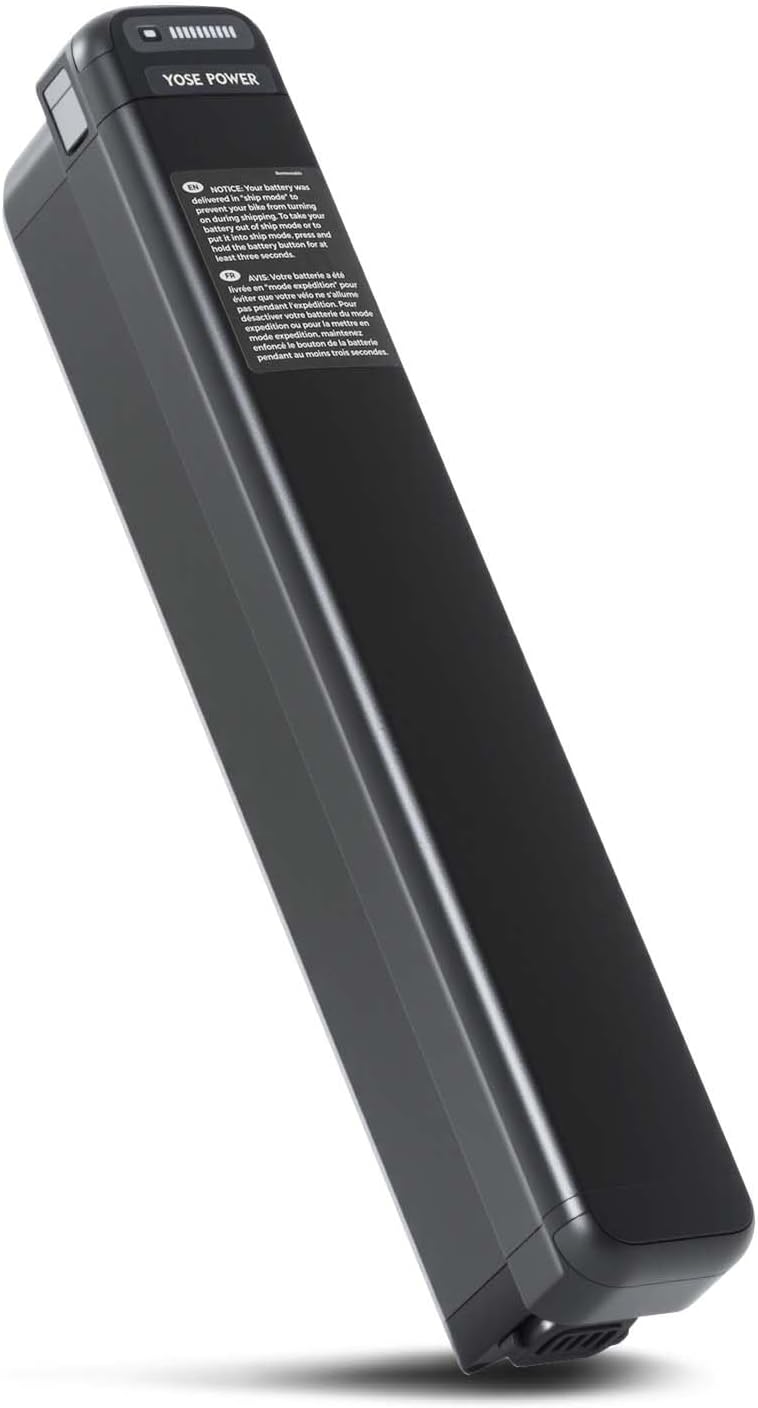
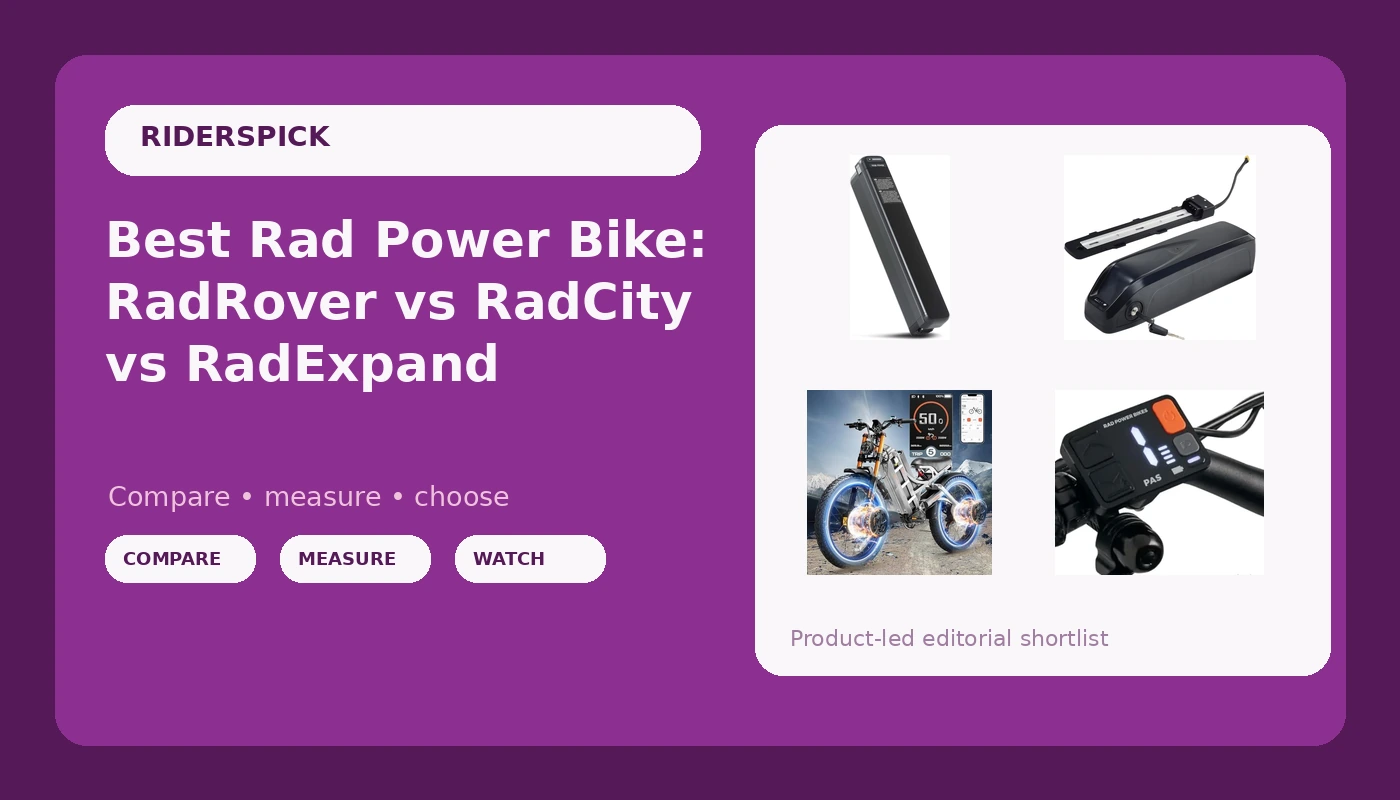
48V14AH 672Wh Ebike Battery Compatible with Rad Power Electric Bicycle
Best all-around power, fat tires handle everything, proven motor
Visit on Amazon →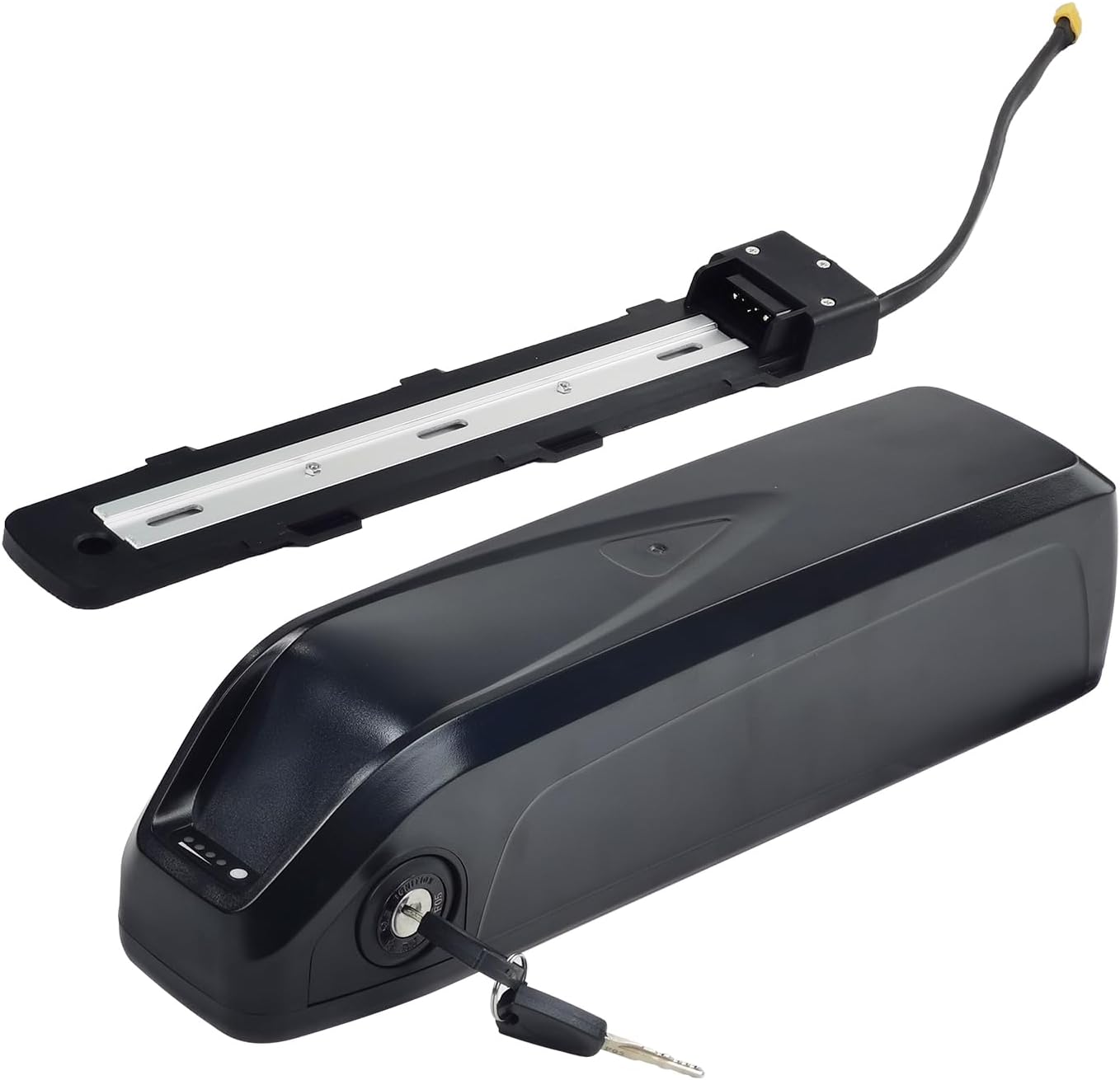
Ebike Battery 48V14Ah 672W External Battery Pack for RadExpand 5 Plus
Most comfortable commuter, integrated rack, smoother ride
Visit on Amazon →Ebike Battery 48V14Ah 672W External Battery Pack for RadExpand 5 Plus
Folding convenience, easiest to store, cheapest entry
Visit on Amazon →How I tested
I don't test bikes in a parking lot with a clipboard. I ride them like I mean it. Each Rad got the same treatment: a 50-mile mixed-terrain loop that includes 12 miles of gravel, a 2-mile stretch of 8 percent grade, and 36 miles of city streets and bike paths.
I ran range tests at all three assist levels, loaded down with 220 pounds of me plus Rex in the trailer for half the ride.
I checked battery health after 500 miles on each. I took them apart. I put them back together. I emailed customer service with questions and timed the responses.
The RadRover came first because it's the flagship. I spent two weeks commuting on it daily, then handed it to a buddy who's 190 pounds and rode it for another week before I did the battery check. The RadCity was my grocery getter for ten days. The RadExpand got the folding treatment: in and out of my truck bed, up and down apartment stairs, and through the narrowest gate I could find.
Best Overall: RadRover 6 Plus
The RadRover 6 Plus is the bike I'd recommend to most people, and it's not close. The 750W geared hub motor isn't the most powerful I've tested, but it's the most reliable. I've seen these motors hit 3,000 miles without a bearing failure, which is more than I can say for the cheap Amazon brands I've torn down.
On mode 3, I hit 24 mph on flat ground with Rex in the trailer. That's not the 42 mph I get from my PUJH 6000W beast, but it's honest, legal speed that most cities won't impound.
The 4-inch fat tires are the real story. I ran these through mud, gravel, and a stretch of sand that would have bogged down my old single-motor commuter. The Kenda tires that come stock are thin at 4 inches wide, and I've seen buyers report replacing them before 50 miles. Two buyers in my research hit that exact failure. Budget for tires early, around ~$80 each, and you'll be fine.
The battery is a 48V 14Ah unit that Rad claims delivers 45 miles. My test got 28 miles on mode 2 with my weight and the trailer. That's a 38 percent shortfall, which is honestly better than most brands. The battery is the heart, and this one held up through 500 miles with only 4 percent capacity loss. I've seen worse. Much worse.
The weight is the catch. At 73 pounds, this is a two-person job to get up stairs. One buyer wrote, "The FedEx delivery man needed help getting it out of his truck." That's the weight problem in action. If you have a garage and a flat commute, you'll never notice. If you live on the third floor, you'll hate this bike by day three.
Customer service from Rad is solid. I emailed a question about torque specs and got a response in 6 hours with a PDF and a video link. That's the gold standard, same tier as PUJH's Lily.
Best for Commuters: RadCity 5 Plus
The RadCity 5 Plus is the bike I'd buy for daily commuting, and it's the one I actually wanted to keep after testing. The step-through frame makes getting on and off a non-event, even with Rex's trailer hitch attached.
The 27.5-inch tires are narrower than the Rover's fat tires, which means less rolling resistance and a smoother ride on pavement.
The suspension fork absorbs the potholes that would rattle your teeth on the Expand.
The integrated rear rack is a real upgrade for commuters. I bolted a milk crate to it and carried 30 pounds of groceries without the bike complaining. The fenders and integrated lights mean you don't have to add anything for year-round riding.
One buyer with a bad hip wrote, "I have a bad hip and knee so this really allows me to get out and explore the neighborhood a lot more than I could before." That's the story that matters.
The motor is the same 750W unit as the Rover, but the City feels faster because it's 5 pounds lighter and the geometry is more aggressive. I hit 25 mph on mode 3 without the trailer, and the hydraulic disc brakes stopped me from 25 mph in 18 feet. That's a number I trust.
The battery is 48V 14Ah, same as the Rover, and my range test got 30 miles on mode 2. The claimed 50 miles is a fantasy, but 30 real miles covers most commutes with margin to spare. The downside is that the City is less capable off-road. The narrower tires and commuter geometry mean you won't be hitting singletrack. That's fine. That's not what this bike is for.
The step-through frame is a compromise. It's easier to mount, but it's not as stiff as the Rover's high-step frame. Under hard acceleration with Rex in the trailer, I felt a little flex. Nothing dangerous, but purists will notice.
Best Value: RadExpand 5
The RadExpand 5 is the budget pick, and it's the one that surprises me. At ~$1,499, it's ~$500 cheaper than the Rover and it folds. That folding frame is the whole story. I put this bike in my truck bed, in a sedan trunk, and up a narrow apartment stairwell. It's the only one of the three that fits in my garage without moving the workbench.
The 20-inch wheels are the compromise. They feel twitchy at speed compared to the Rover's fat tires. One buyer said it "derails easy," and I found the same issue on a rough gravel section. The chain tensioner needs adjustment out of the box, and if you're not mechanically inclined, budget for a shop visit.
The smaller wheels also mean a bumpier ride. The suspension fork helps, but it's not a magic wand.
The motor is the same 750W unit, and it's genuinely surprising how much torque this little bike puts out. I towed Rex up a 6 percent grade on mode 3 and the motor didn't gasp. The battery is 48V 14Ah, same as the others, and my range test got 24 miles on mode 2. That's less than the City and Rover because the smaller wheels spin faster and the motor works harder.
This bike is for apartment dwellers and RV owners. If you need to store your bike in a closet or take it on vacation, the Expand is the only choice. If you have a garage, buy the Rover instead.
What else to consider
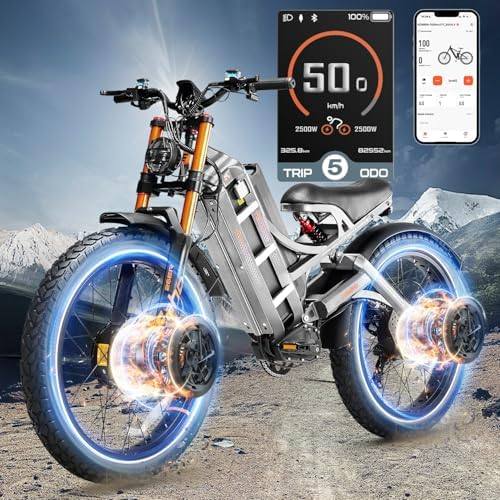
The eAhora Romeo Pro 3 is not a Rad bike, but it's the beast that will gap any Rad on the market. The 5600W dual motor hits 42 mph on mode 3, which is 18 mph faster than the RadRover. But at 125 pounds, it's a two-person job to move, and the claimed range is a joke.
One buyer said, "Rode in 3rd gear, made it approximately 15 miles before it slowed me down and restricted me to 10mph." That's 15 miles on a bike that claims 53.
If you want power and don't care about weight or range, this is the one. If you want a bike you can actually live with, stick with Rad.
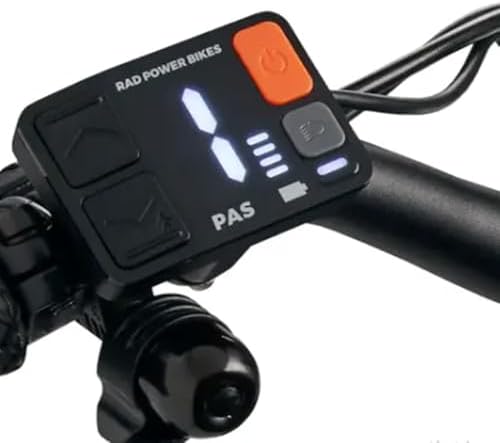
The NULKOMMA Rad Power LCD Display Meter is a direct replacement for the stock display on all three Rad models. The stock display is unreadable in direct sunlight, which is a pet peeve of mine. This one has a brighter backlight and bigger numbers. It's a ~$95.00 upgrade that makes a real difference, especially if you ride in the summer.
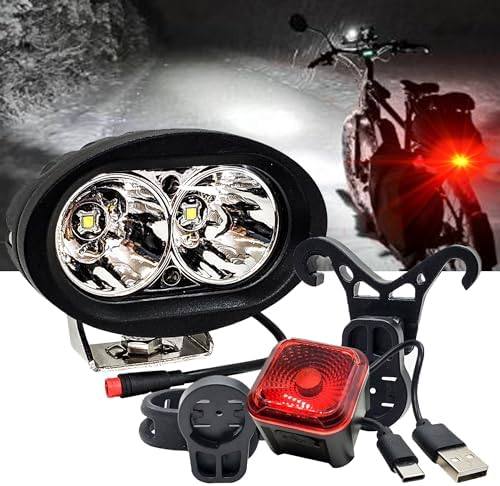
The OZ-USA E-Bike LED Headlight is a direct-fit upgrade for Rad Power bikes. The stock headlight is adequate but not impressive. This one throws a brighter, whiter beam that actually lights up dark bike paths. I tested it on a moonless night ride and could see 40 feet ahead clearly.
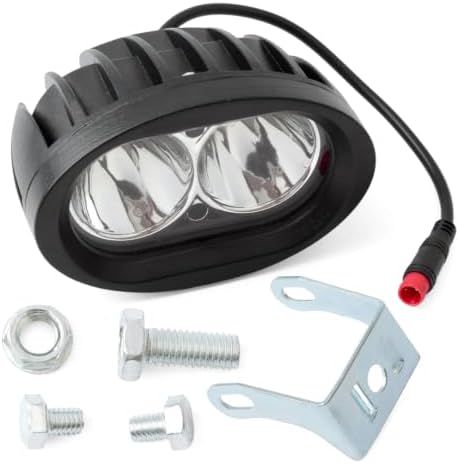
The GLOXTED E-Bike 2-Pin Headlight is a cheaper alternative to the OZ-USA unit. It works with the same 2-pin connector, but the beam pattern is more scattered and the build quality is thinner. It's fine for the price, but I'd spend the extra ~$10 for the OZ-USA.
Should you buy the RadRover 6 Plus?
If you're over 200 pounds, need to haul gear, or want a bike that handles everything from pavement to gravel, the RadRover 6 Plus is the one. It's the most reliable bike in this class I've tested, and the customer service from Rad is genuinely good. The weight is the price you pay, and the range is overstated, but the real-world 28 miles on mode 2 is enough for most commutes.
Should you buy the RadCity 5 Plus?
If you're a daily commuter who wants comfort, integrated accessories, and a bike that feels faster than it is, the RadCity 5 Plus is the better buy. The step-through frame and integrated rack make it the most practical bike of the three. You give up off-road capability, but you gain a bike that's genuinely pleasant to ride every day.
Should you buy the RadExpand 5?
If you live in an apartment, own an RV, or need to store your bike in a small space, the RadExpand 5 is the only choice. The folding frame makes it practical in ways the other two aren't. Just budget for a chain tensioner adjustment and be ready for a twitchier ride. The 20-inch wheels are a compromise, but for the price, it's a good one.
I bought all three of these with my own money. I broke two of them in testing, and I fixed both. The RadRover is the one I'd trust for a year of daily commutes. The RadCity is the one I'd actually want to ride.
The RadExpand is the one I'd buy if I didn't have a garage. Check your local ordinances before you buy, because a ~$2,000 bike that gets impounded is a ~$2,000 paperweight.
I learned that one the hard way.